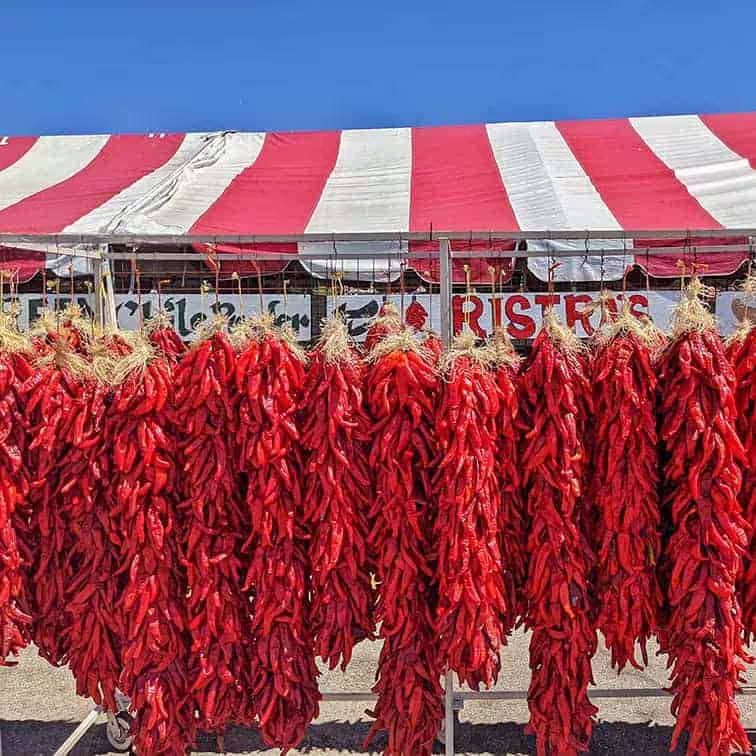
All about chile ristras
I get asked a lot of questions about chile ristras, ranging from “How long do ristras last?’ to “How to take care of a Hatch chile ristra?” This made me think that many people will probably be wondering about it online too. Because of that, I decided to make a quick FAQ with my answers and recommendations on it. If you have questions about the beautiful strings of dried New Mexico chile known as chile ristras, read on adventurer. In case you want to see a list of ristras we have for sale, click this link to jump down!
In Spanish, ristra means string, but is also used to describe a string of chile peppers.
In English, pretty much the only way people use the term ristra is to talk about chile ristras, with a very small minority also using the term to talk about garlic bulb ristras!
Originally, chile ristras were made only as a way to preserve chile, and keep it available as a food source in the cold winter. In modern times, food is less scarce, and most people make them as a decoration primarily. They still are a great source of food however, and we highly recommend cooking with chile from an older ristra when you get a new one!
The answer depends on many factors. An untreated ristra kept in good conditions will still look good after two years. A treated one might last 5 years or more. If it is kept in unfavorable conditions, it will break down sooner. One bad storm can destroy a ristra.
A ristra should be kept hanging, away from wind that will cause it to hit hard surfaces. The sun won’t damage sandia chiles as much as pequin, but will cause fading over time as well. If you want a ristra to last as long as possible, keep it in a cool, dry, and dark place without wind. If you want to display it outside, keep it in a partial sunlight area that is not windy.
Although a small amount of water getting on a ristra probably won’t be a problem in a dry state like New Mexico, it should be avoided. Ristras which get wet can become a breeding ground for mold, which will eat the ristra from the inside out!
The traditional New Mexican ristras are made with sandia chile, which is typically considered a “hot” chile. Pequin ristras however are much more spicy. If you want to cook with them, be very careful with the amount you use.
Every ristra that we sell at Farmers Chile Market is untreated, and therefore edible. Even if you have the chile after 2 or 3 years, it will still be delicious.
Red chile sauces are incredibly easy to make. All one needs to do is take out the stem and seeds from chile on the ristra, blend it up for about 10 minutes with some garlic powder and onion powder, then boil it with a chicken or vegetable stock. Altogether, the whole process takes less than an hour, and you can make a red chile sauce which will last a year or more in the freezer.
Take the chile from the bottom of the ristra, then tuck the string up into the remaining chile. This lets you keep the ristra beautiful while also able to eat the delicious red chile from your ristra.
It is a process of tying chile stems together with twine. Check our chile ristras page for a more detailed guide on making a ristra!
Most ristras in New Mexico are made with sandia chile, though many special shaped ristras are made with chile pequin, also known as chile de arbol as well.
In case the ristra is using a large Sandia chile pepper, it will be around 6,000. Hot, but not super hot. If it is using small chile pequin, then it will be around 30,000, which is very hot, and will be too spicy for most people, even in New Mexico!
If you want to travel with a ristra, it is best to get one that is not totally fresh, but also not completely dry. This is because fresh ristras might rot, and dry ristras are more prone to breakage. Second, it is best not to lay it down for too long, as the ristra may become deformed. If you can rotate it, this problem will be less serious. If you are taking it on an airplane, I recommend wrapping it in something breathable and soft, so it can’t be jostled around too easily, and still has some ability for airflow. When driving, I recommend hanging it on a hook, provided it does not bang against the windows. If you don’t have hooks, I recommend just laying it flat as straight as possible, and gently turn it daily to prevent it becoming deformed.
All our ristras come from the sunny Hatch Valley, in southern New Mexico.
Farmers Chile Market at 2010 Eubank Blvd NE 87112. We get fresh chile ristras in around the start of September every year, and continue selling ristras until Christmas every year.
Most green chile varieties turn to a yellowish brown color when they dry. In some multicolored ristras, this is not bad, as it provides more color variety. That being said, it looks unappealing compared to red chile ristras.
Generally ristras are available once Hatch chile has had a time to mature and turn red. This typically happens about a month after chile season begins. New Mexico becomes usually awash in fresh ristras around the start of September.
Fresh ristras are a seasonal item in New Mexico, with the majority being tied in the months of September and October. Because they are sun dried, they are shelf stable at room temperature, and can be obtained at any time, but they won’t be bright and fresh like the ones you can get during the chile season.
Hang them in a place which isn’t too windy, so the chile doesn’t get damaged. Partial sunlight is best to avoid fading, but red chile ristras kept in the sun will still continue looking good for a long time. We also have a more detailed answer in our post Where to hang a chile ristra?
You can eat Farmers Chile Market ristras once they are dry. Some sellers will treat the ristras with inedible materials to make them look fresh for longer.
Typically ristras are made with large sandia chile pods, a hot New Mexico chile which dries very well. If the chile is small, it is likely chile pequin, also known as chile de arbol in old Mexico.
If they are stored well, with cool temperatures and low humidity, chile pods keep a good flavor for a few years.
We will begin shipping chile ristras in mid-September this 2024 chile season. We have a list of different options for chile ristras on the bottom of our Chile Ristras page.
Once the chile has had enough time to ripen to red, chile ristras will arrive within days. When fresh chile ristras come in depends a lot on the chile season, as some years chie matures faster than others. That being said, they are typically ready by early September.
Chile de ristra flavor depends on what kind of chile the ristra is made of. A typical large pepper Hatch chile ristra is made with Sandia chile, which is a hot variety. The types of ristras using smaller chile are typically made with chile de arbol, also commonly called chile pequin in New Mexico. This chile is much hotter, and should be used with caution, as the spice can easily overwhelm most people.
We have a really wide variety of ristras, ranging from a few inches to 5 feet long. We also sell different shapes, colors, and chile varieties too! Check out our list of ristras below for more information!
Ristras for Sale
-
Product on sale
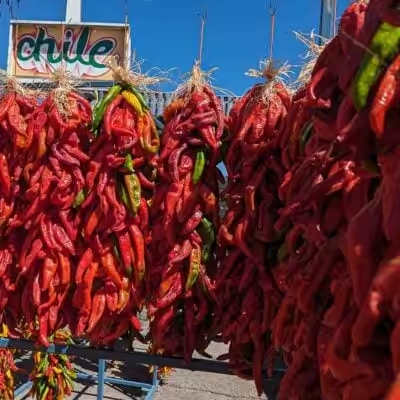 Hatch Chile Starter KitOriginal price was: $95.91.$74.99Current price is: $74.99.
 -
Product on sale
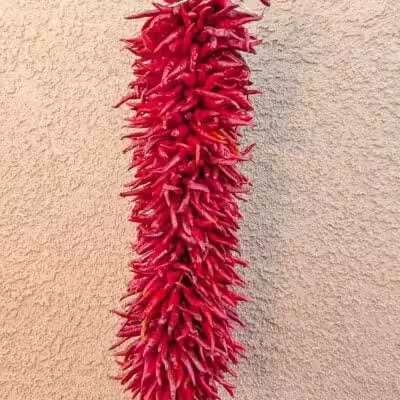 2 ft Pequin Chile RistraOriginal price was: $74.99.$64.99Current price is: $64.99.
 -
Product on sale
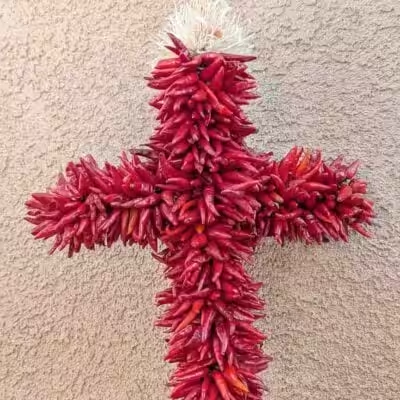 Hatch Pequin Chile Ristra CrossOriginal price was: $59.95.$49.95Current price is: $49.95.
 -
Product on sale
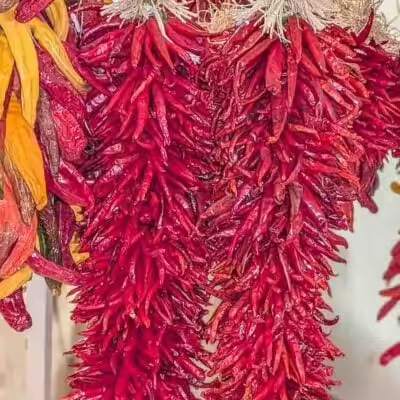 18 Inch Hatch Red Chile Pequin RistraOriginal price was: $59.95.$49.95Current price is: $49.95.
 -
Product on sale
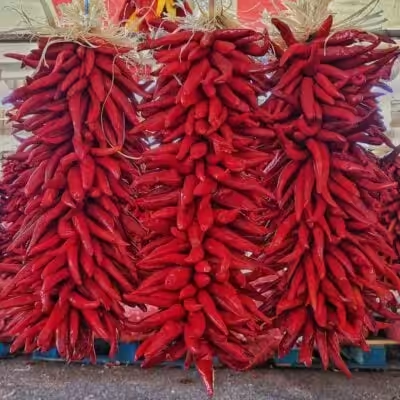 12 Inch Pequin Chile RistraOriginal price was: $45.00.$33.99Current price is: $33.99.
 -
Product on sale
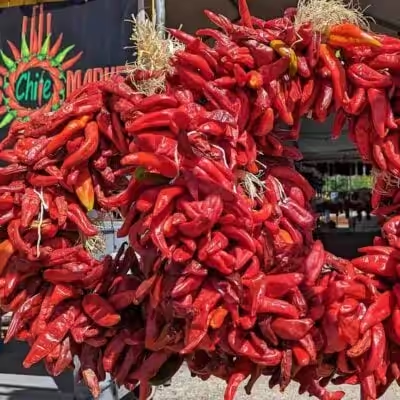 Hatch Red Chile WreathOriginal price was: $89.99.$79.97Current price is: $79.97.
 -
Product on sale
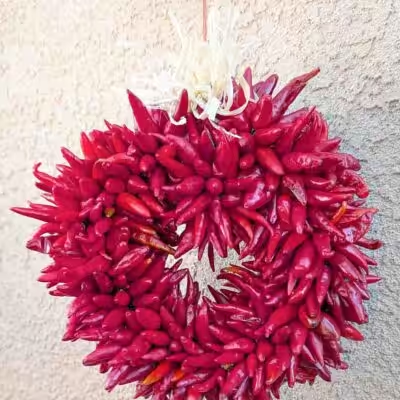 Pequin Chile WreathOriginal price was: $49.95.$39.95Current price is: $39.95.
 -
Product on sale
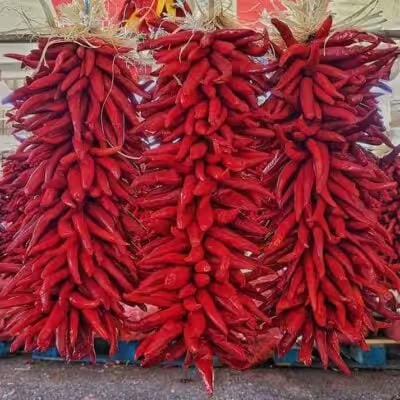 6 Inch Pequin Chile RistraOriginal price was: $18.99.$14.99Current price is: $14.99.
 -
Product on sale
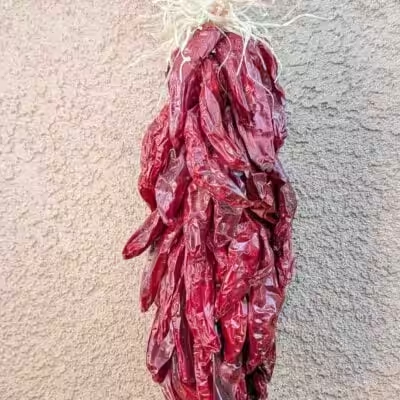 12″ Red Chile RistraOriginal price was: $39.99.$29.99Current price is: $29.99.


