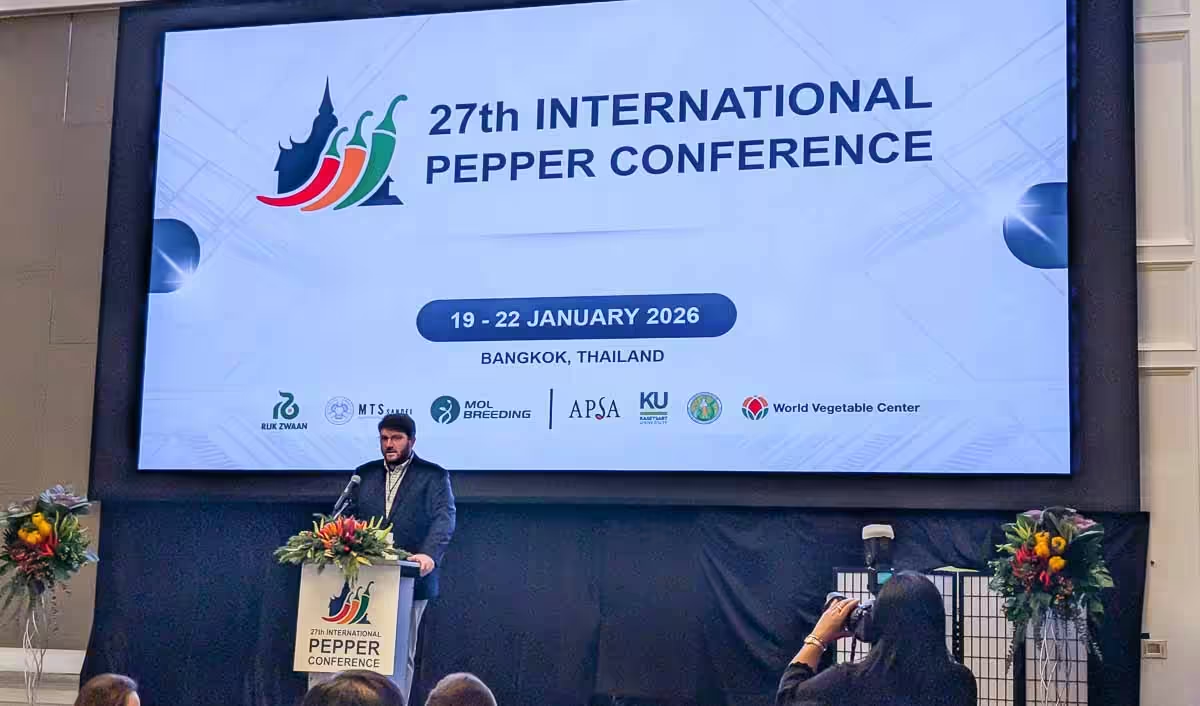
I spent the last week in Bangkok, attending the 27th International Pepper Conference, or IPC for short. This conference is the biggest international event for scientists like geneticists and pepper breeders to come together and discuss new techniques in producing new pepper varieties. The improvements sought after are very different for every place, with color, nutrition, plant yield, and pathogen resistance being the main general topics covered. In addition to this, improvements in mechanical harvesting were also discussed by New Mexico State’s own Dr Stephanie Walker!
The IPC is held yearly in a different location, with this year hosted by the World Vegetable Center, a prominent research center in the world of chili peppers and other agriculture, in Bangkok. In 2024, it was held by Cornell University in New York, and next year, it will be held by UC Davis in California. Following that, it will likely rotate back to Asia, or possibly South America or Africa.

The World Vegetable Center
The World Vegetable Center is a research center based in Tainan, Taiwan which does many things for the world of agriculture, particularly in developing countries. They analyze samples of soil, pathogens, and climate, along with breeding new varieties of vegetables that are resistant to pests, drought, heat, and much more. They work together with many universities, seed banks, and companies to produce new marketable varieties which soon enter public domain for all to use. This is very useful for growing crops in regions of the world without the resources to develop their own improved crops in a changing world with more and more external stressors for plants and people alike.
What I learned
One of the major takeaways I have from this event is just how vast the world of chile peppers is, with so many different varieties being produced and sought after throughout the world. Although this conference was primarily an academic one, academics are pushed to innovate by the societies in which they are from. I was able to learn many things and meet many people involved in chile in different countries. For example, I had no idea that habaneros were so popular in Africa, but it seems they are some of the most popular chile varieties in most the east and west. I also learned a decent amount about Korean and Indian chilies, in addition to an interesting new approach to predicting chile size and shape based on the parent plants out of Japan.

What Makes New Mexico Different?
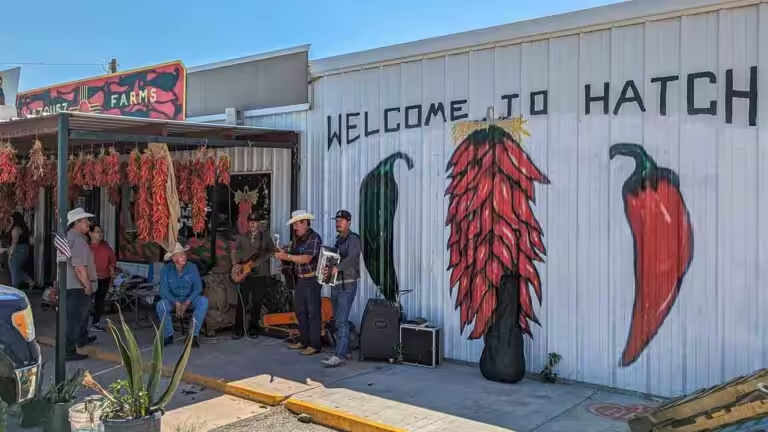
New Mexico’s uniqueness is very apparent in the quantity and way we consume chile however. Although everyone seems to think their chili peppers are unique or better than other varieties, there are several ways that New Mexican chile, and to a degree, some Mexican chile is unique. The amount we eat is more than anywhere. Although many cultures eat chilies with most meals like we do in New Mexico, they usually have just a small amount, maybe one or two small but spicy peppers.
When you contrast that with New Mexico, not only do we eat much larger peppers, but we also eat much more of them too. Consider for a moment how much chile you eat when you get a chile relleno plate at a New Mexican restaurant. At a minimum, that is one chile pepper, likely a large one too. Having a chile relleno without anything extra is quite unusual however. Most of the time, it will be topped chile sauce too, red, green, or Christmas. That could be another chile pepper on top of it. When you factor in any other chile which might be in a salsa for an accompanying taco, taquito, tamale, or something else, and you have a lot of chile in one meal.
That’s not even uncommon, it’s a typical combination plate at New Mexican restaurants throughout the state. Someone mentioned nutritional content of chile like beta kerotine as something to breed for, but the most healthy food still won’t do much if the quantity consumed is low. This is something that actually does affect the lives of the majority of New Mexicans, and luckily our chile is pretty healthy overall.
Our chile isn’t very spicy. I am not saying that New Mexico chile is for lightweights. Quite the opposite really. I am able to go to any restaurant in Thailand and eat any dish without fearing the spice level. For reference, most commonly used chile varieties in Thailand range from 50 to 100,000 Scovilles. That is significantly more than even Lumbre chile, which is the hottest commonly available Hatch chile. So why can I eat food with much hotter chilies in it? Because We consume MORE of our chile, and the heat builds up as you eat. I’m accustomed to eating hot chiles because I eat a tons of New Mexican chile throughout the season, both for the culinary experience and also to control the quality chile we sell to you.